For many artists, being represented by an art gallery is an important step in building a professional career. A gallery can do more than display and sell artwork: it can help artists reach new audiences, strengthen their reputation, and manage parts of the business that take time away from creating. Representation is not the right fit for every artist, but the right partnership can offer meaningful advantages.
1. Access to a Wider Audience
Galleries attract visitors who are actively interested in art, including collectors, curators, designers, and other industry professionals. By showing your work in a gallery, you can connect with people who might not discover it through your personal website or social media. A gallery’s established audience can introduce your art to new potential buyers and supporters.
2. Professional Credibility
Being selected by a respected gallery can strengthen your professional profile. Representation signals that an art professional has reviewed your work and believes it is suitable for their program. This recognition may help when applying for exhibitions, grants, residencies, or other opportunities. It can also give first-time collectors added confidence when considering a purchase.
3. Support With Sales
Selling art involves more than making a sale. It can require pricing, responding to inquiries, discussing payment, coordinating delivery, and maintaining relationships with buyers. Galleries typically manage many of these tasks. Their experience can make the buying process smoother and help collectors understand the artwork, its background, and the artist’s practice.
4. More Time to Create
Administrative work can consume valuable studio time. A gallery may handle promotion, sales inquiries, exhibition planning, and communication with collectors. Although artists still need to participate in the partnership, sharing these responsibilities can make it easier to focus on developing new work and maintaining a consistent creative practice.
5. Marketing and Promotion
Galleries often promote represented artists through exhibitions, newsletters, social media, printed materials, and press outreach. They may also create professional photographs and written descriptions of the work. This promotional support can help artists present their practice clearly and reach audiences across several channels. The quality and extent of marketing vary, so it is useful to discuss expectations in advance.
6. Exhibition Opportunities
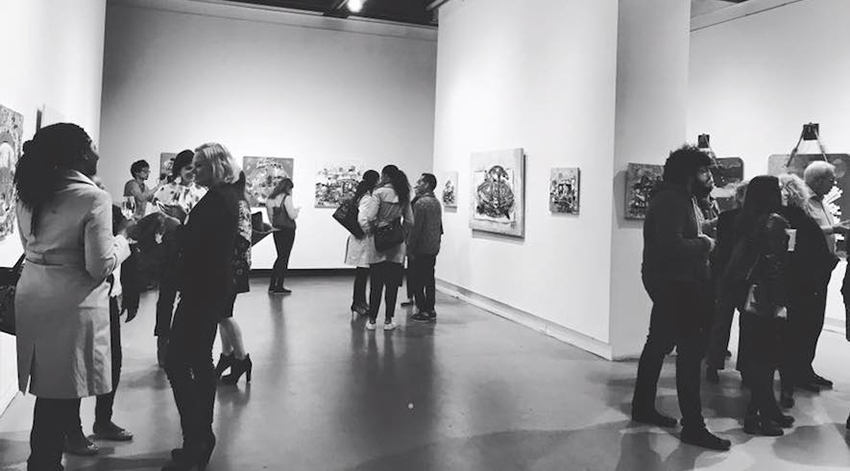
A gallery can provide a professional setting for presenting artwork. Solo and group exhibitions allow artists to show work in context, develop a cohesive body of work, and invite collectors or industry contacts to see it in person. Galleries may also participate in art fairs or arrange collaborations, creating further chances for visibility and professional growth.
7. Guidance and Industry Knowledge
Gallery professionals work closely with collectors and understand many aspects of the art market. They may offer guidance on pricing, presentation, career planning, and how to communicate about your work. Their feedback can help artists make informed decisions, while their knowledge of current opportunities can be valuable in a competitive field.
8. Long-Term Collector Relationships
A gallery can help build connections that continue beyond a single sale. By keeping records of buyers, sharing updates, and introducing new work to interested collectors, a gallery can support lasting relationships. Repeat collectors may follow an artist’s career, attend future exhibitions, and recommend the work to others.
Choosing the Right Partnership
Gallery representation can offer access, expertise, and practical support, but it is also a business relationship. Before agreeing to work together, review the contract and clarify commission rates, exclusivity, expenses, artwork delivery, promotion, and the length of the agreement. Ask how the gallery communicates with artists and what it expects from them.
The best representation is built on shared goals, clear communication, and mutual respect. A gallery cannot guarantee success, but a thoughtful partnership can help an artist present their work professionally and build a stronger foundation for the future.