Selling NFT art takes more than uploading an image and waiting for a buyer. The market is competitive, and sales are never guaranteed. But by creating thoughtful work, choosing the right marketplace, and building trust with potential collectors, you can improve your chances of making a sale.
1. Create Art With a Clear Identity
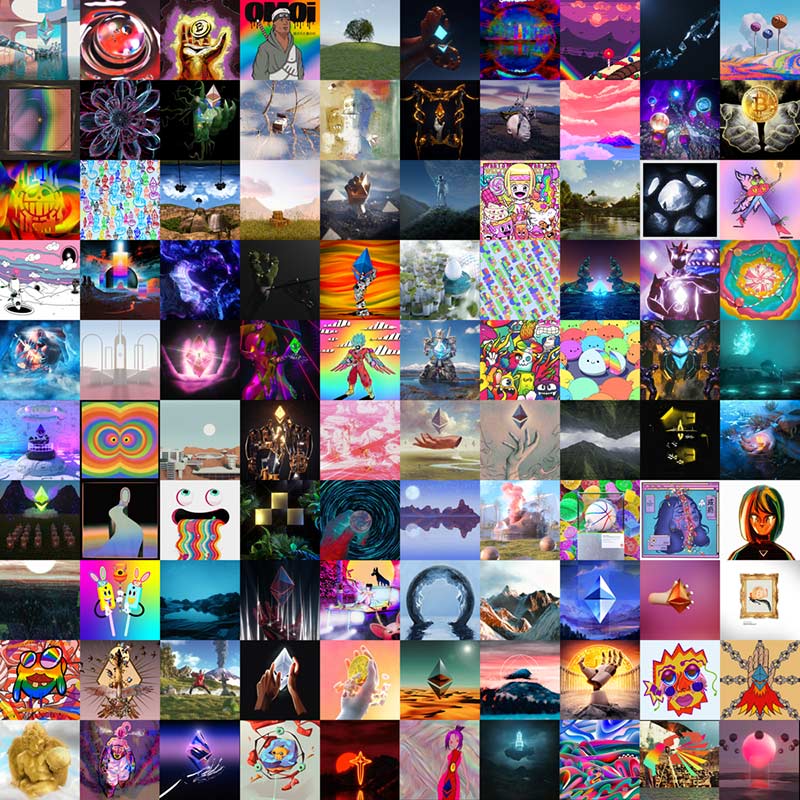
Collectors often look for more than a visually appealing image. They may be drawn to an artist’s style, story, creative process, or the ideas behind a collection. Before minting, decide what makes your work distinctive. A consistent theme, recognizable visual style, or compelling concept can help your art stand out.
If you are releasing a collection, consider how its pieces relate to one another. Give the collection a memorable name and write a concise description that explains its inspiration. Avoid making claims about future value or promising profits; focus instead on the artwork and what collectors will actually receive.
2. Choose a Marketplace That Fits Your Work
NFT marketplaces differ in their supported blockchains, audiences, fees, and listing processes. Research several platforms before choosing one. Check whether the marketplace supports your preferred file type, whether it requires cryptocurrency to mint or list an NFT, and what fees may apply.
Some platforms focus on curated digital art, while others serve broader communities. Look at comparable artists and collections to understand where your work might fit. Read each platform’s current terms carefully, since fees and features can change. Use official links, protect your wallet, and never share your recovery phrase.
3. Price Your NFT Thoughtfully
Pricing too high can discourage first-time collectors, while pricing too low may not reflect the time and effort behind your work. Review similar works, but remember that another artist’s sales do not guarantee yours. Consider your experience, the size of the edition, the artwork’s complexity, and the audience you have built.
For a new collection, a modest starting price may make it easier for interested buyers to explore your work. You can also consider limited editions or a small number of one-of-one pieces. Be clear about edition size and any additional costs, such as network fees, so buyers know what to expect.
4. Build an Audience Before Launch
Promotion works best when it begins before the listing goes live. Share previews, sketches, progress videos, and the story behind the work on channels where potential collectors are active. Rather than posting only sales announcements, participate in relevant conversations and support other artists.
A simple launch plan can help: introduce the collection, share a few previews, announce the release date, and post the marketplace link when the NFTs are available. Make sure every link leads to your verified profile or listing. Scammers often imitate artists and marketplaces, so clear, consistent communication helps protect your audience.
5. Make the Collector Experience Clear
Your listing should answer practical questions. Explain what the NFT represents, what file or content the buyer receives, whether the work is part of an edition, and what rights are included. Owning an NFT does not automatically transfer copyright. State your usage terms plainly and link to a fuller explanation if needed.
Use accurate titles, descriptions, and tags. Upload a strong preview image and check that the media displays properly on the marketplace. Clear presentation helps collectors evaluate the work and reduces confusion after purchase.
6. Stay Consistent and Learn From Results
Not every launch will sell immediately. Review which posts received engagement, how visitors found your listing, and whether buyers asked recurring questions. Use that feedback to improve your next release. Keep creating, sharing your process, and maintaining respectful relationships with collectors and fellow artists.
Selling NFT art is a combination of creative practice, presentation, and community-building. There is no reliable formula for a sale, but a distinctive collection, fair pricing, transparent listings, and steady promotion give your work a stronger chance of reaching interested collectors.